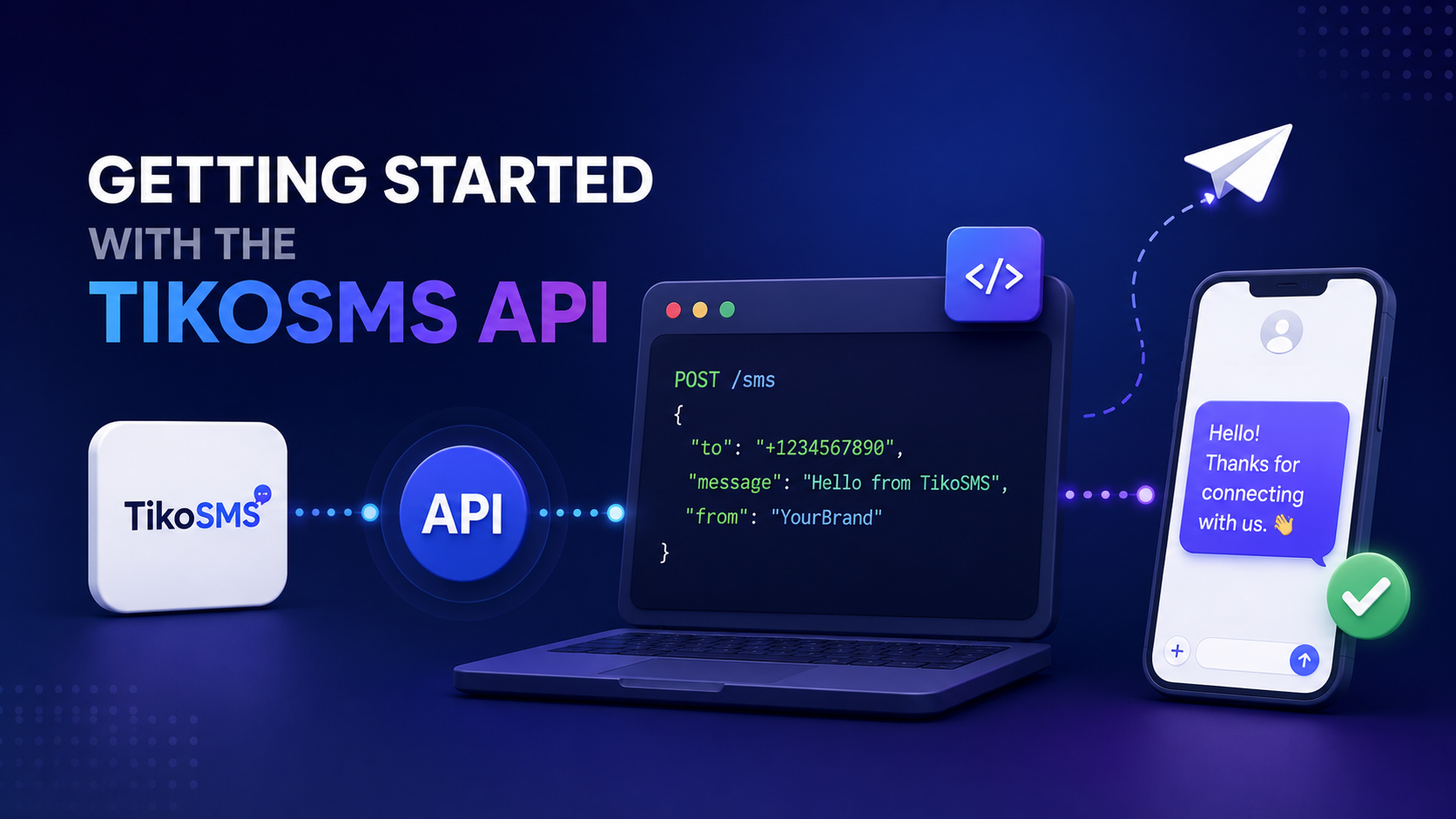
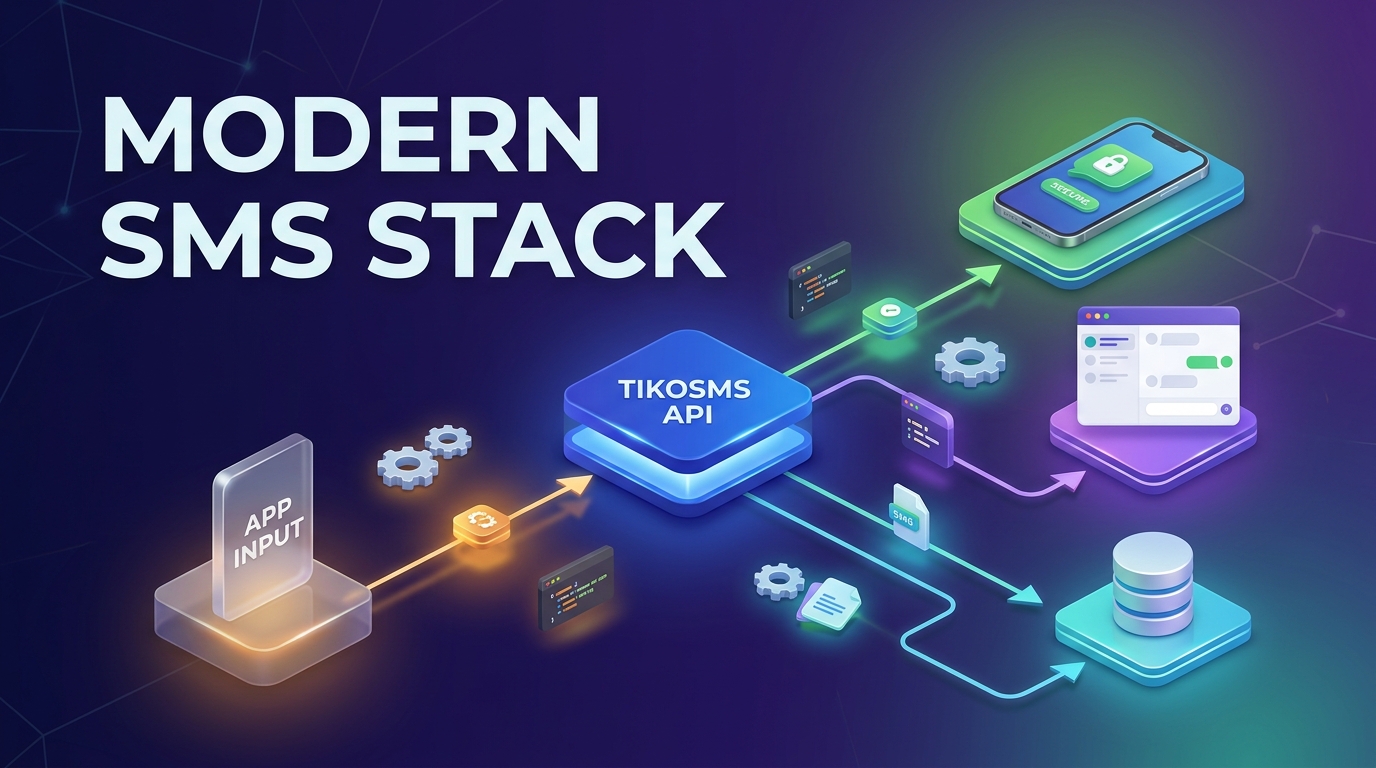
This article explains how modern sms integration stack supports teams that need a practical way to add SMS into products, business workflows, and customer communication.
The role of SMS in modern products
SMS remains useful when a message must be short, timely, and independent of an app session. The strongest workflows connect SMS with backend events and measurable outcomes.
What developers need
- Clear API authentication and request structure.
- Single and bulk sending options.
- Callbacks for delivery outcomes.
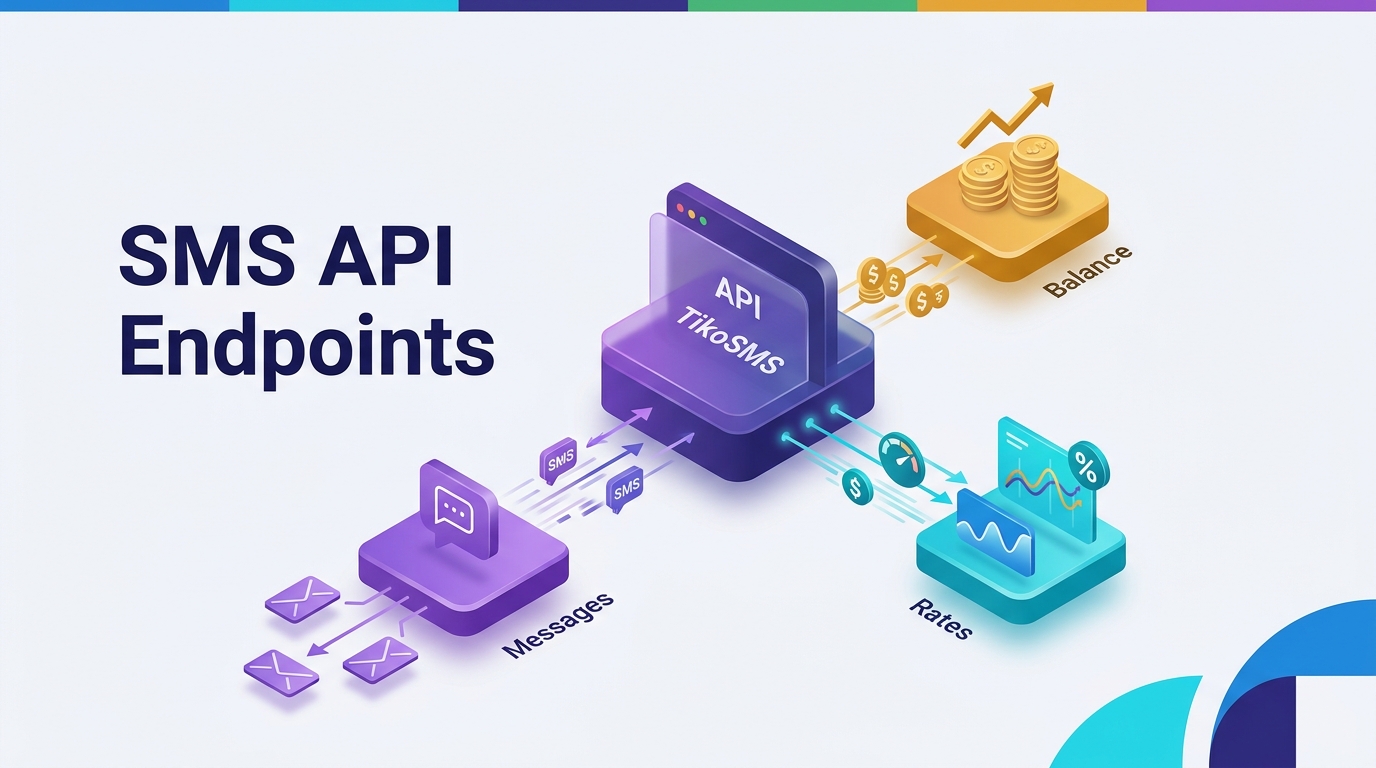
- Balance and rate visibility before scaling volume.
What businesses need
Businesses need reliability, cost control, compliance-aware sender setup, and reporting that helps teams understand what happened after a message was sent.
How to evaluate the platform
| Question | What good looks like |
|---|---|
| Can developers integrate quickly? | API docs, tokens, examples, and predictable responses |
| Can operations monitor delivery? | Statuses, callbacks, and searchable message history |
| Can finance estimate cost? | Balance and rate visibility |
| Can support answer customers? | Message references connected to business events |
Conclusion
The right modern sms integration stack setup gives developers a clean integration path and gives the business enough visibility to operate SMS confidently at scale.