This guide explains how to use sms api in a real production workflow: preparing data, sending messages, tracking delivery, and keeping the implementation secure enough for customer-facing systems.
What you need before you start
Prepare an active TikoSMS account, a server-side API token, a sender value, recipient numbers in international format, and an environment where secrets are not exposed to browser JavaScript.
| Component | Purpose | Practical advice |
|---|---|---|
| API token | Authenticates requests | Store in backend secrets or environment variables |
| Sender | Identifies the message origin | Use a compliant recognizable sender value |
| Recipient number | Routes the SMS | Normalize numbers before sending |
| client_ref | Connects SMS to your records | Use an order, user, invoice, or event ID |
Step-by-step implementation
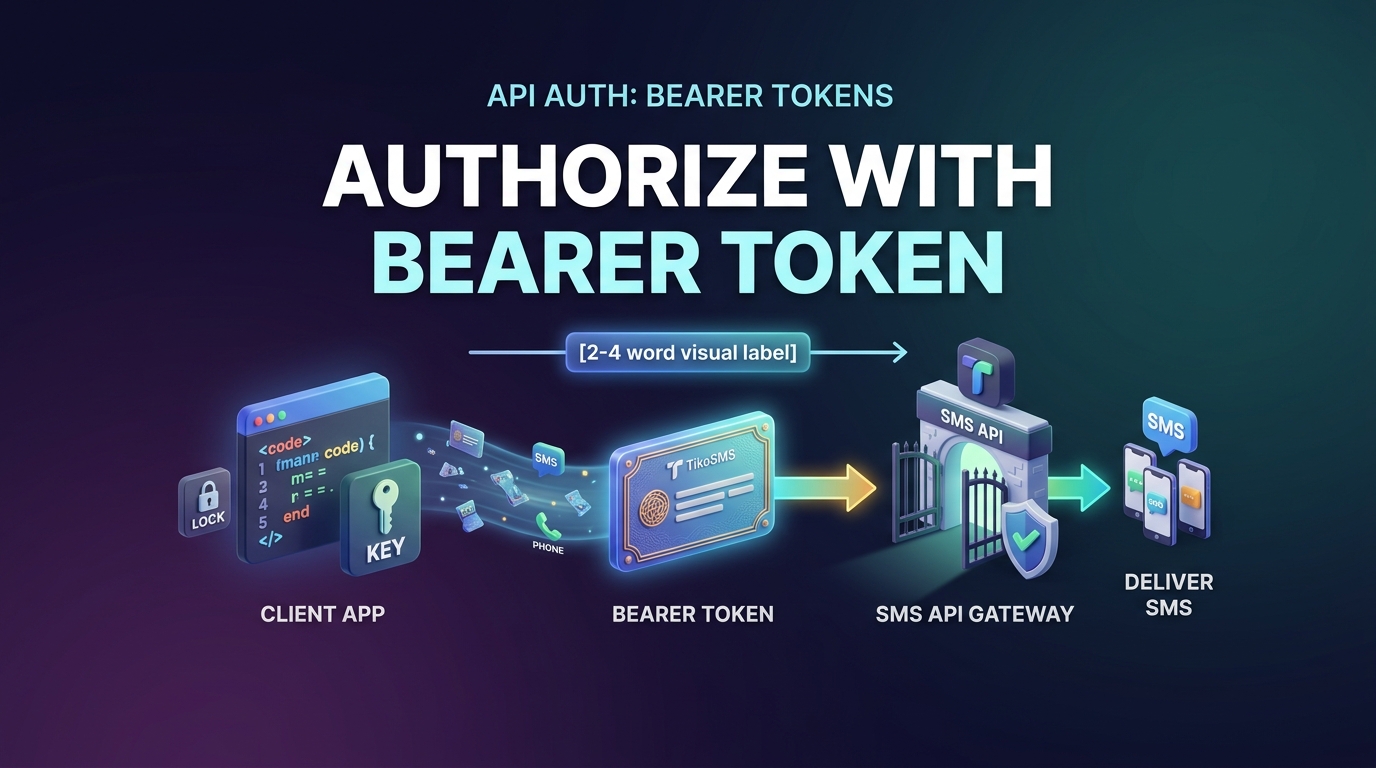
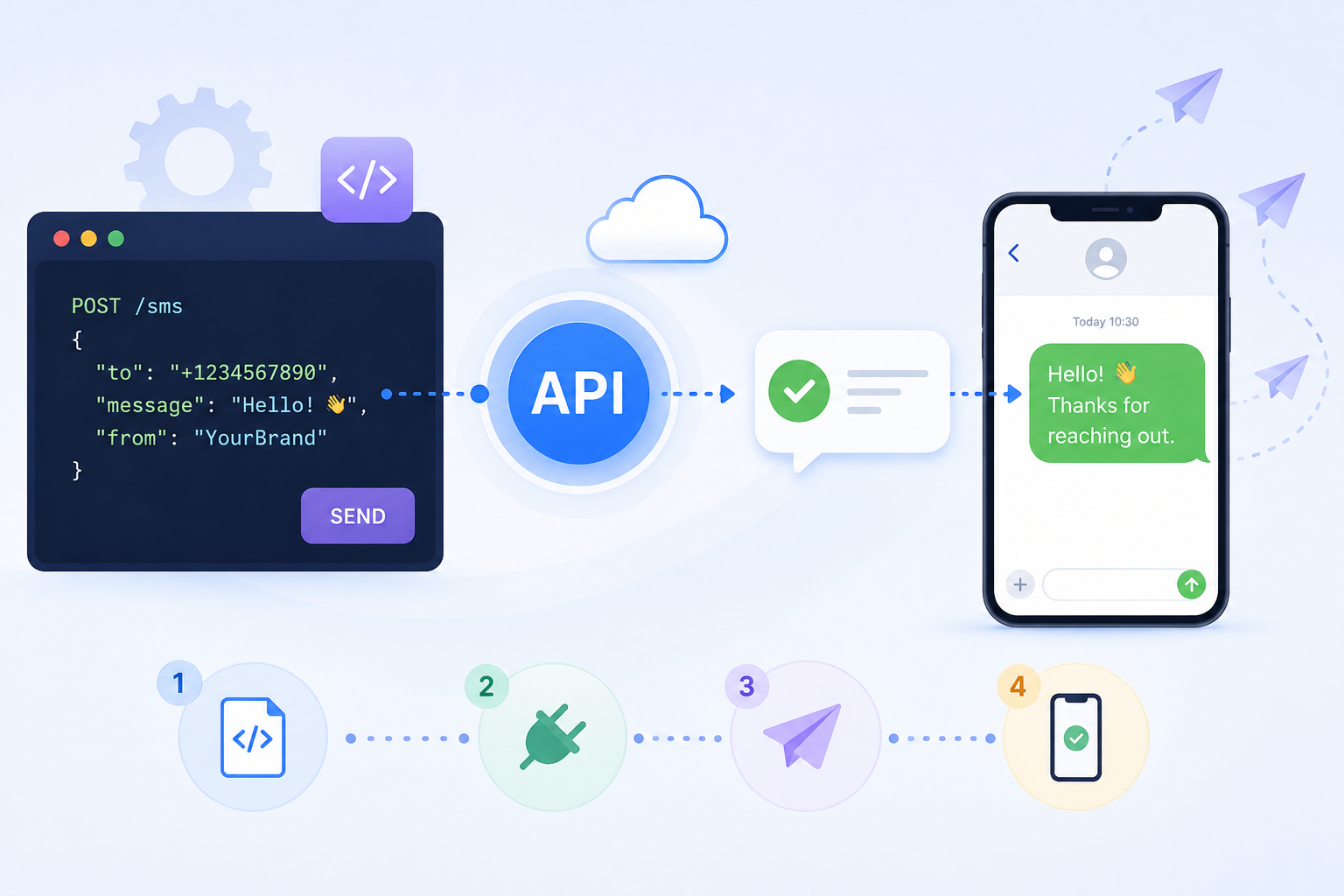
Keep SMS operations behind your backend. The backend can validate recipients, prevent duplicate sends, attach references, log failures, and protect the Bearer token.
curl --request POST "https://api.tikosms.com/v1/message" \
  --header "Authorization: Bearer YOUR_API_TOKEN" \
  --header "Content-Type: application/json" \
  --data '{"from":"YourBrand","to":"380501234567","message":"Your order is ready.","client_ref":"order-10294"}'
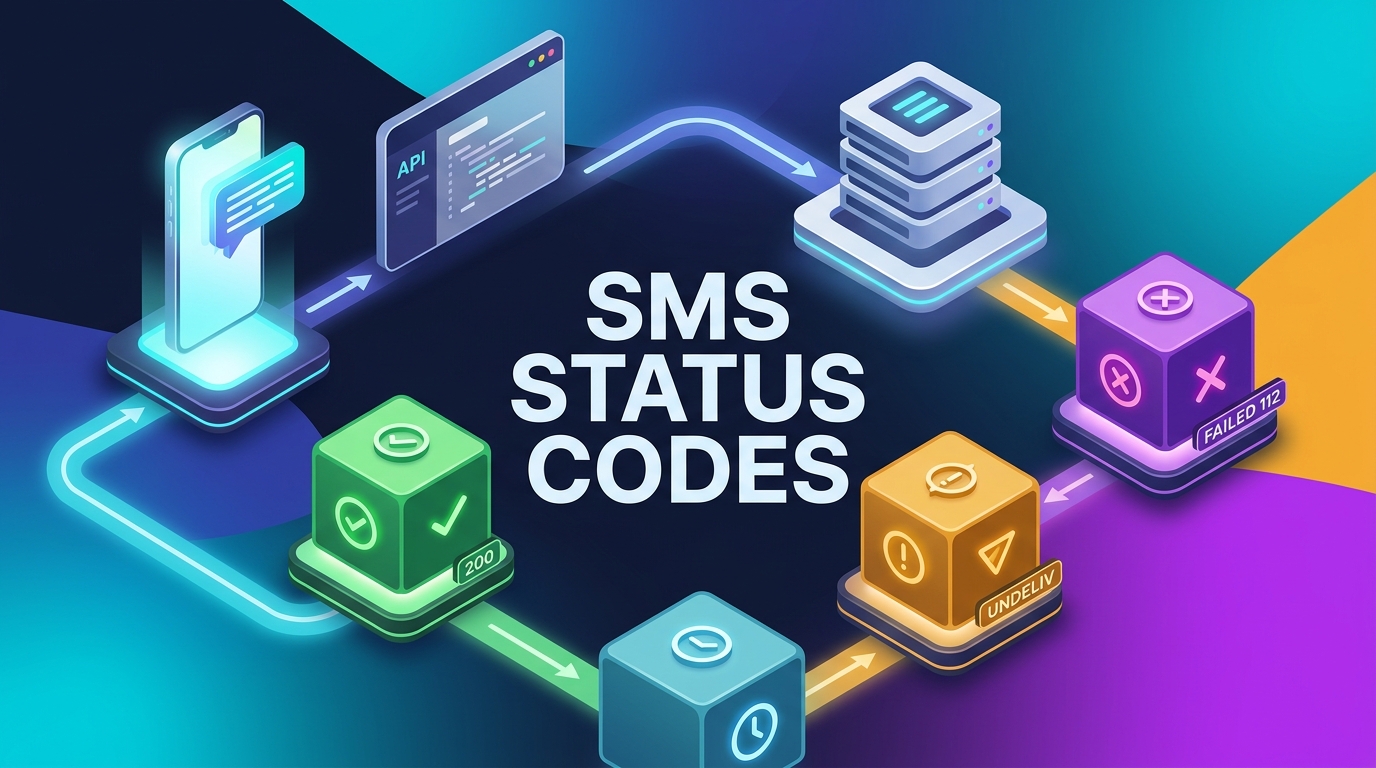
Treat the first successful API response as acceptance for processing. Store the message identifier with your internal reference before the workflow continues.
Production checklist
- Validate phone numbers before creating the request.
- Use idempotency around business events that may retry.
- Store request identifiers and final delivery statuses.
- Check balance and destination rates where cost control matters.
- Log operational errors without exposing message content or credentials.
Common mistakes to avoid
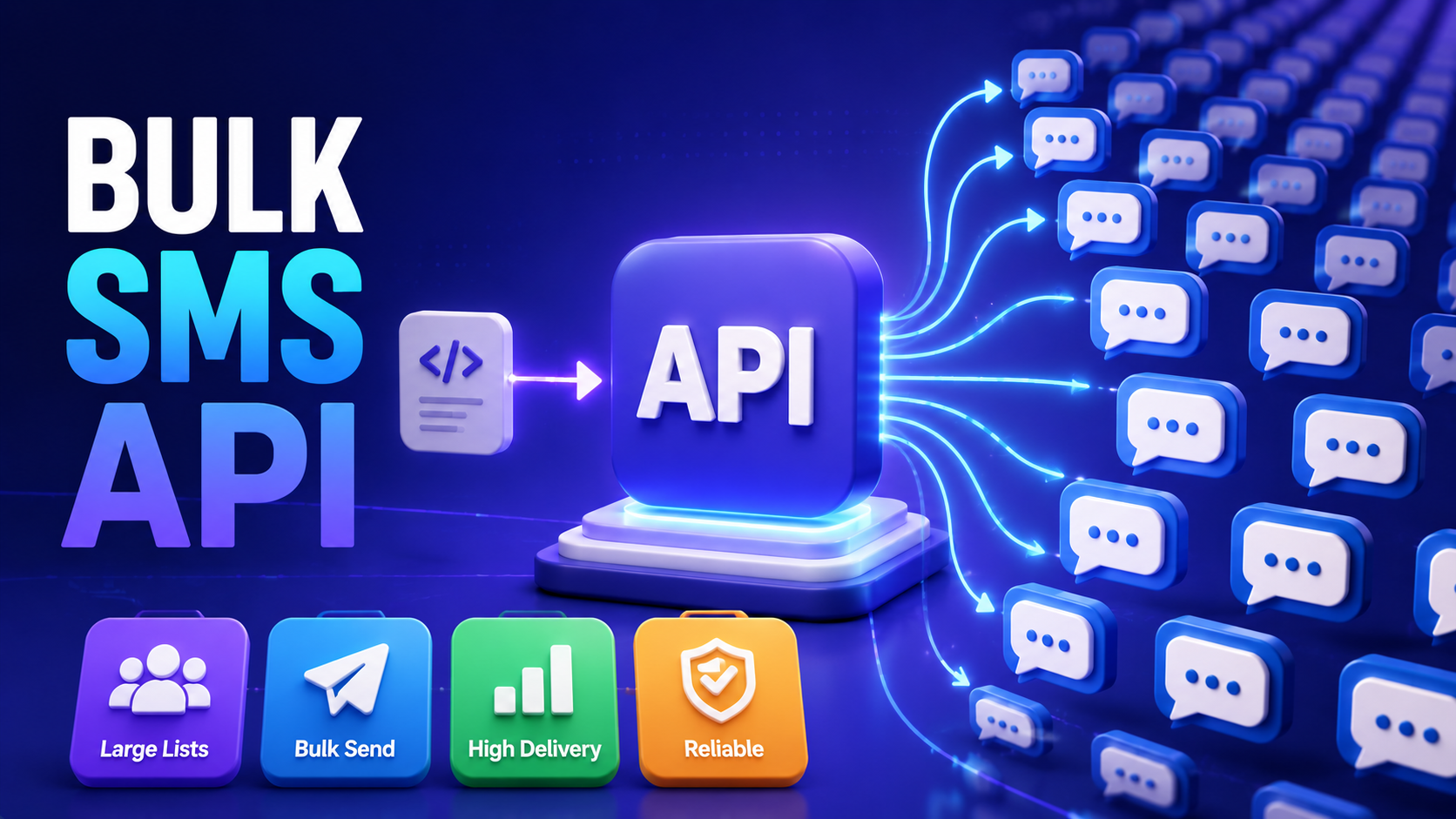
The most common mistakes are exposing tokens in frontend code, treating accepted requests as final delivery, skipping client references, and building campaign sends without a review step.
Conclusion
A reliable sms api implementation is traceable: every request has a business reason, every response is stored, and every final status can be connected back to the workflow that caused the SMS.