This reference explains alphanumeric sender id for teams that need predictable SMS behavior, clear operational vocabulary, and fewer surprises when moving from a prototype to production.
Core concept
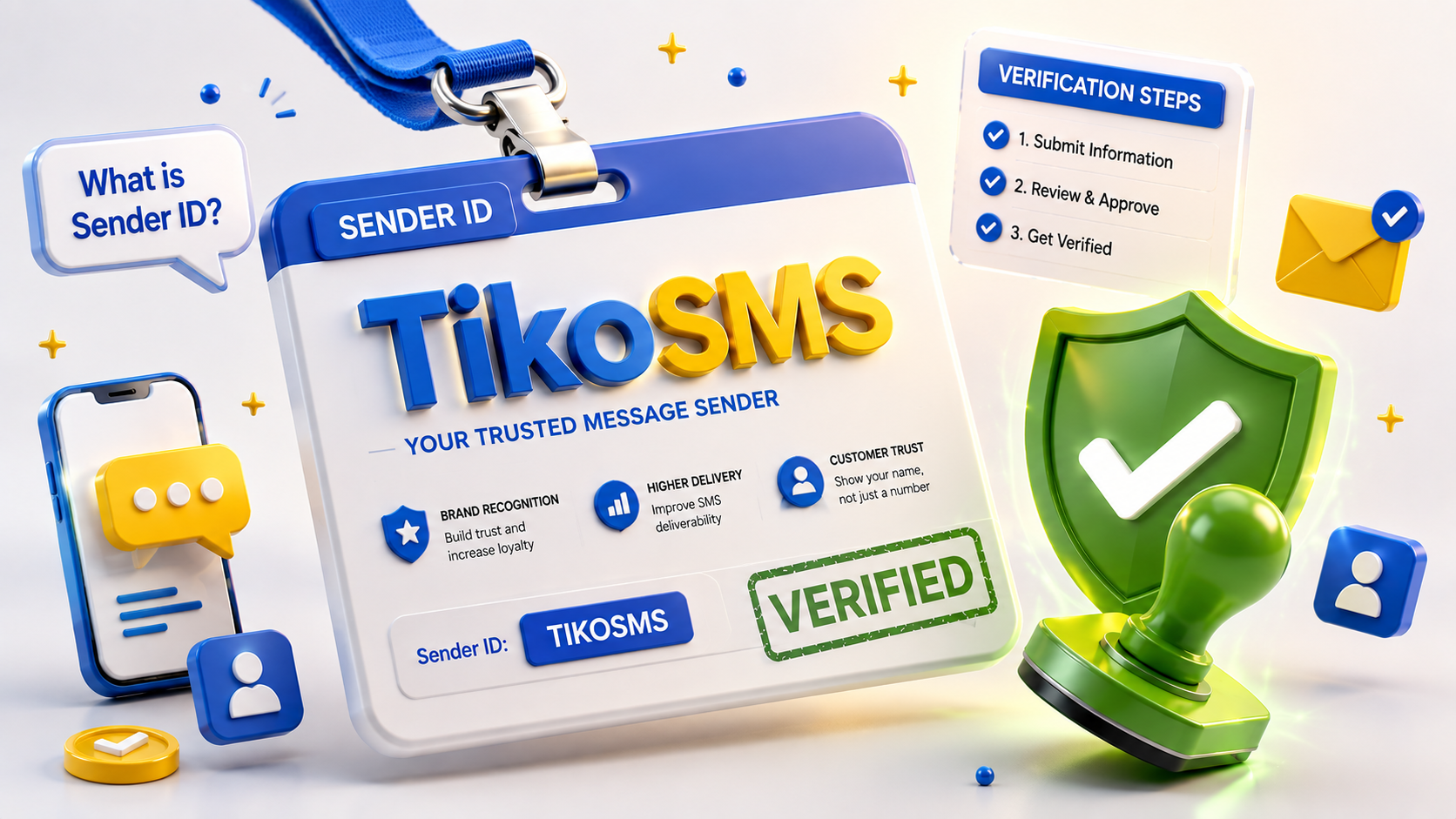
Alphanumeric Sender ID: What it is and how to get verified matters because SMS delivery is not a single browser action. It is an API request, carrier processing, status reporting, billing context, and business reconciliation.
| Area | What to define | Why it matters |
|---|---|---|
| Authentication | Where tokens live and rotate | Prevents accidental credential exposure |
| Message identity | client_ref and provider IDs | Makes support and reporting possible |
| Status handling | Accepted, delivered, failed, expired | Separates processing from final delivery |
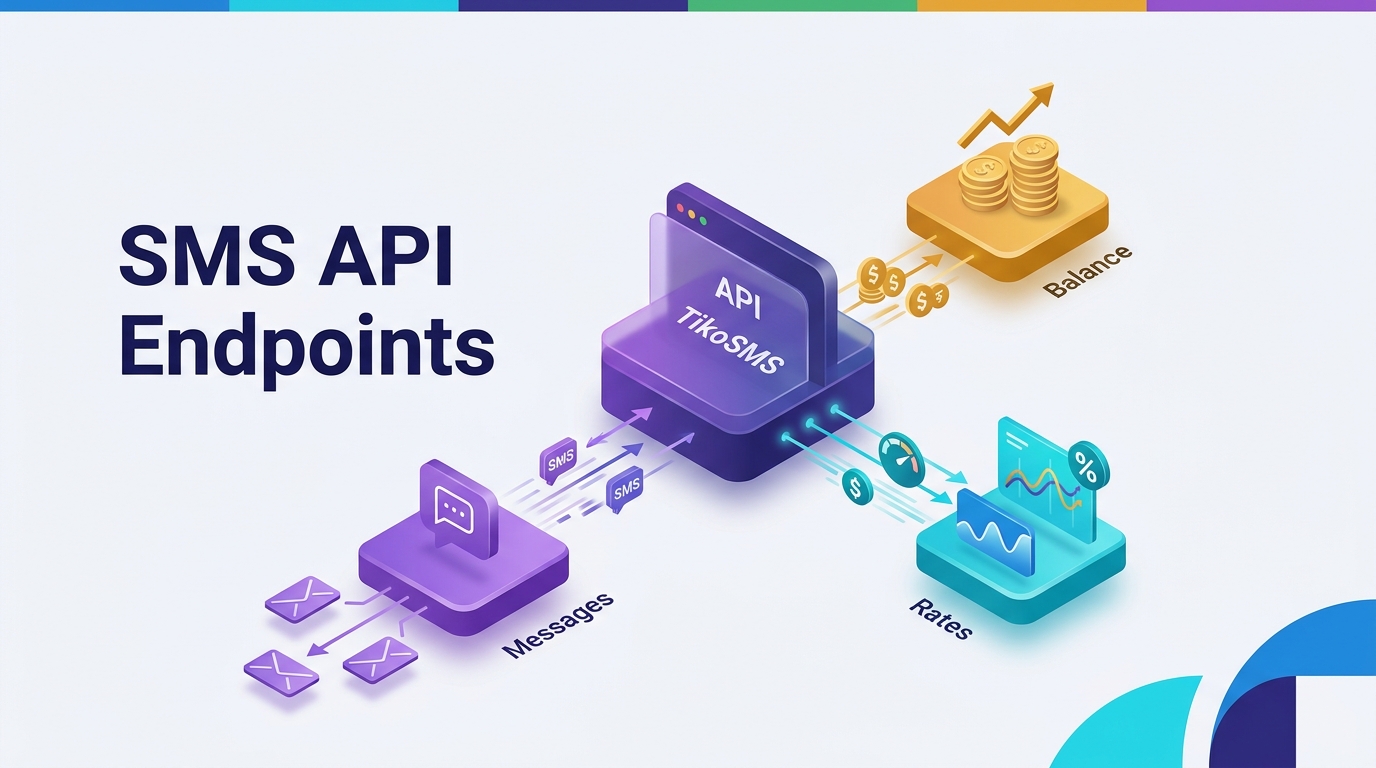
| Cost control | Balance and rate checks | Keeps automated sends predictable |
Implementation notes
Use server-side request code, structured logs, and deterministic status handling. Do not rely on message text as the only way to identify a send.
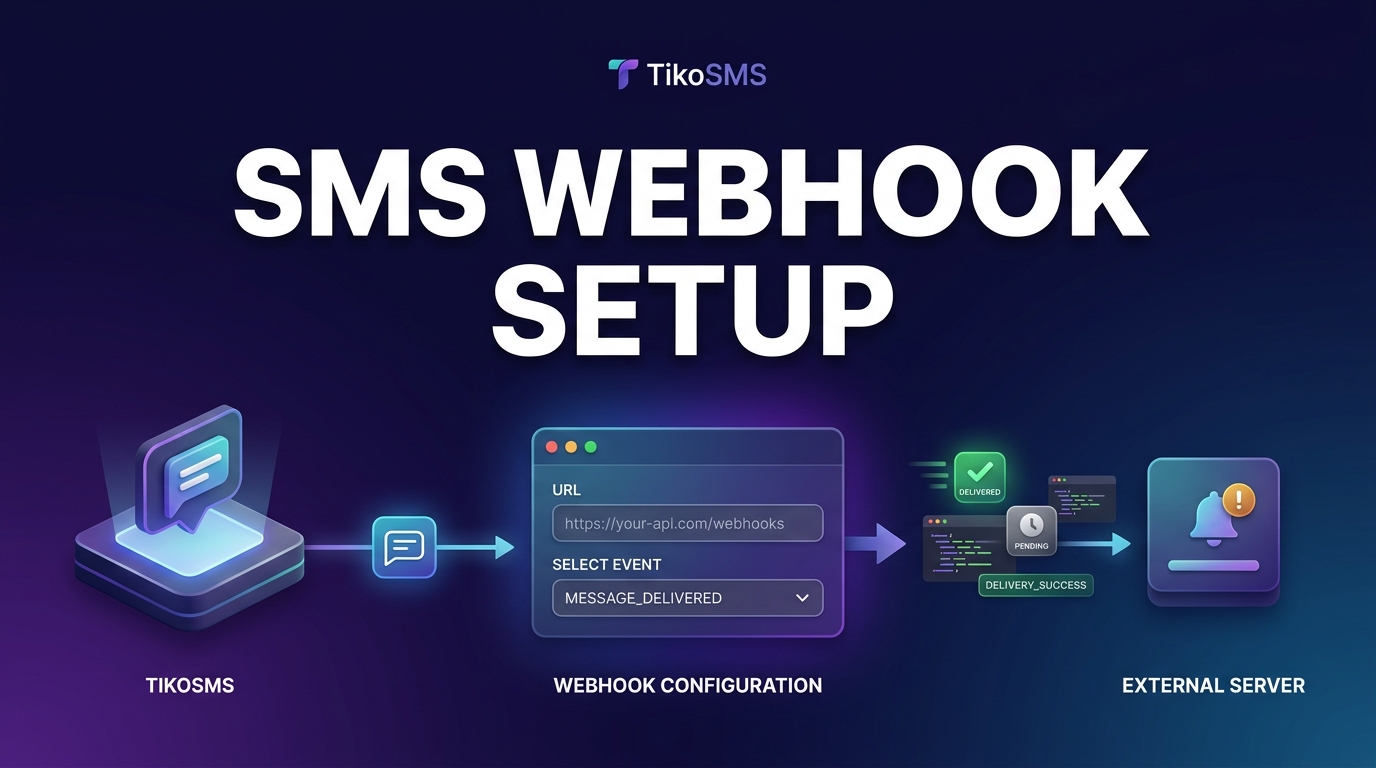
Callbacks should be idempotent. A status update may be retried, delivered later than expected, or arrive after an operator has already reviewed the message.
Best practices
- Keep API credentials in backend-only storage.
- Normalize recipient numbers at the edge of your system.
- Use clear internal state names for accepted, delivered, failed, and expired messages.
- Separate estimated cost from actual charged cost in reporting.
Operational checklist
Before publishing an integration, test successful delivery, invalid recipients, insufficient balance, webhook retries, and reporting reconciliation.
Conclusion
Good alphanumeric sender id documentation is useful only when it maps to how your application actually sends, tracks, and explains SMS activity to customers and support teams.